Short answer: yes, renters can get BC RAHA. The tenant and landlord apply together on the Landlord & Tenant application. The unit has to be a legal, self-contained suite, the rent has to be under BC Housing's limit for the area and unit size, and the landlord has to agree not to raise the rent because of the changes.
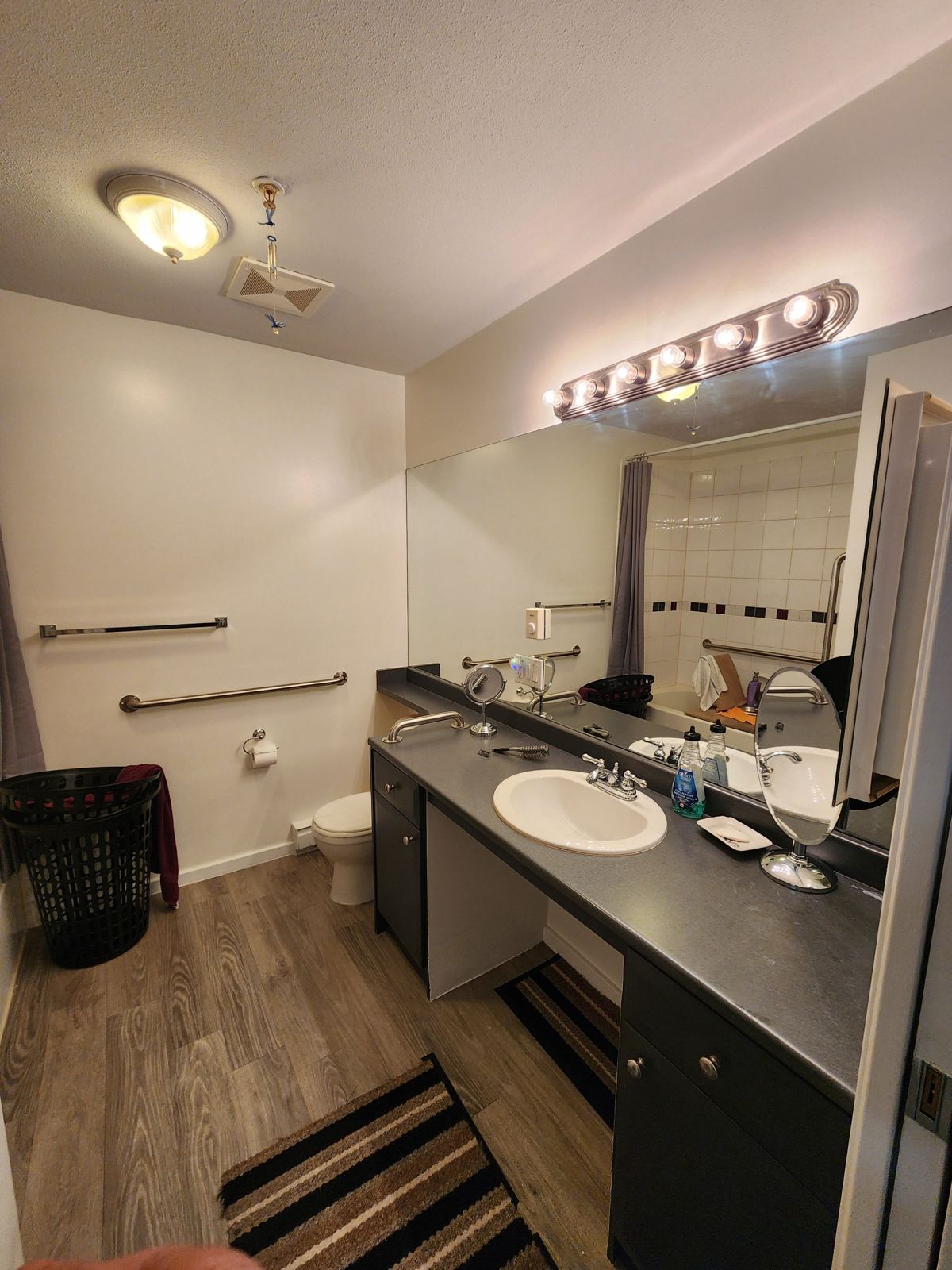
What the tenant needs to meet
- Someone in the household has a disability or permanent loss of ability, and the adaptation relates to it.
- The person needing the adaptations is a Canadian citizen, permanent resident, government-sponsored refugee or refugee claimant, and not under private sponsorship.
- Total household income before tax is no more than $146,270. If income is over the limit, BC Housing can reduce it by the amount of the Disability Tax Credit.
- Household assets are under $100,000.
- The tenant lives independently and doesn't need assisted living.
What the unit needs to meet
- It's a legal, self-contained unit with its own full kitchen and bathroom.
- A tenancy agreement is in place.
- The rent is at or below the Rent Affordability Limit for the area and unit size.
2026/27 rent limits in the Lower Mainland and Fraser Valley
| Area | Studio or 1 bed | 2 bed | 3+ bed |
|---|---|---|---|
| Vancouver | $1,778 | $2,300 | $3,000 |
| Abbotsford-Mission | $1,300 | $1,600 | $2,300 |
| Chilliwack | $1,225 | $1,550 | $1,850 |
These are BC Housing's limits effective April 1, 2026. BC Housing lists its areas by name, so check its Rent Affordability Limits or call to confirm which one applies to your city.
What the landlord agrees to
- To make the requested adaptations.
- Not to raise the rent because of the adaptations, and to keep annual increases within the Residential Tenancy Act maximum.
A landlord can receive BC RAHA funding for up to five units per fiscal year.
How the joint application works
- Part I (landlord and unit information) is completed by the landlord.
- Part II (the adaptation request) can be completed by both.
- Part III (tenant information) is completed by the tenant.
The landlord provides: proof of tenancy (a signed lease or rent receipts), proof that the unit is legal and self-contained (for example a property tax assessment or a utility bill showing two units), an authorization letter if acting for the owner, and an itemized estimate for anything not on the Maximum Rebate Schedule.
The tenant provides: proof of status in Canada, the latest Notice of Assessment and proof of assets for each household member aged 19 or older, proof of address, Disability Tax Credit confirmation if applicable, and the OT or other assessment where needed. Our documents checklist has more detail.
How to ask your landlord
Many landlords simply haven't heard of BC RAHA. A short, specific request works best: explain which changes the OT recommended, that the application is joint, and that the program helps pay for approved work. It also helps to mention that good safety work, like properly anchored grab bars, adds value to the unit and helps a reliable tenant stay. If your landlord wants to talk to the installer, we're happy to explain the work and how we install it.
Frequently asked questions
Can renters apply for BC RAHA?
What is the BC RAHA rent limit in Vancouver?
Can my landlord raise the rent after the adaptations?
Does the rental unit have to be a legal suite?
Planning bathroom safety changes? Text a photo of the bathroom to (778) 652-2327 or request a free quote below. You can read more on our BC RAHA grant guide, or see how we approach grab bar installation and walk-in shower conversions.
Sources: BC Housing, Landlord and Tenant Eligibility; BC Housing, 2026/27 Rent Affordability Limits. Program details can change, so confirm current figures with BC Housing.